
:

+260 977 886 876

24/7 Mon-Fri

Top Stories

MECHANIZATION 360 EXCITES KALABO FARMERS AFTER A TRIPLE YIELD

US$40.8M BREFOLES PROJECT TO PROMOTE CLIMATE RESILIENCE

HARNESSING UNDERUTILISED CROPS TO STRENGTHEN FOOD SECURITY
FRA PURCHASES OVER 49,900

Agriculture Marketing

Preventing Egg-Eating Egg-Grading in Layer Chickens

Tractor Ballasting: Why It Matters and How to Do It Right

Different Approaches to Food and Farming

Feeding Ruminants for Optimal Health and Productivity

From Hoof to Ham: The Essential Steps of Meat Processing

Poultry Diseases and Prevention Strategies

Livestock Autopsy

DAIRY CATTLE BREEEDS

Preserving Crop Quality: A Guide to Post-Harvest Management and Storage

Beetroot Cultivation

GOVT LAUNCH FOOD BALANCE SHEETS REPORT

GOVT ROLLS OUT SMALL-SCALE, SOLAR-POWERED IRRIGATION

AGRIC STAFF URGED TO BE FRONTLINE DEFENDERS OF FOOD SECURITY

GOVERNMENT TO BUY OVER 100,000 METRIC TONNES OF MAIZE IN EASTERN PROVINCE

IRRIGATION SCHEMES

JAPAN EXTENDS RICE DEVELOPMENT PROJECT BY THREE YEARS

ZARI LAUNCHES SOUTHERN AFRICA'S AGROECOLOGY RESEARCH NETWORK (RAENS) PROJECT

ZAMBIA COMMITS TO BOOSTING CROP DIVERSITY THROUGH GLOBAL INITIATIVE

GIZ EMPOWERS FIELD STAFF WITH TABLETS

CEEC FUNDS K8.4MILLION AQUA FISH MARKETING COOPERATIVE

POULTRY VACCINE MIXING

EFFECTIVE GOAT PRODUCTION

DAIRY CATTLE BREEEDS

Understanding Farm Size: Hectares vs. Acres and the Key to Profitability

Beetroot Cultivation

Lighting The Way To Optimal Egg Production In layer chickens

Growing Crunchy Carrots: Tips and Technique For A Successful Harvest

Cultivating Cabbage: A Beginners Guide to Success

Dairy Cow Management During the Dry Season: Strategies for Increased Milk Production

A Guide To Effective Farm Pest Management

Growing Carrots: A Comprehensive Guide

CHIFUNABULI RECORDS RISE IN RICE FARMING THANKS TO MOREDEP

DEVELOPMENT OF A LOCUST OUTBREAK RESPONSE PLAN IN WESTERN PROVINCE

27,900 FARMERS TO BE TRAINED IN CSA IN MUCHINGA PROVINCE BY DECEMBER

GOVT COMMISSIONS NAKONDE PLANT HEALTH LABORATORY

GOVT CONDUCTS CLIMATE-SMART AGRICULTURE TRAINING IN SAMFYA

EFFICIENT USE OF LABOUR AND INPUT IN HIGH-RAINFALL AREAS

ZAMBIA RECORDS BUMPER HARVEST IN 2024/2025 FARMING SEASON

CLEAN AND AFFORDABLE ENERGY

SIFAZ LEADS THE DISCUSSION ON SUSTAINABLE AGRICULTURE PRACTICES

PLANT HEALTH CRUCIAL FOR HUMANS

GOVT ENACTS PLANT HEALTH ACT, NUMBER 1 OF 2025

IFAD MISSION VISITS SMALL LIVESTOCK FARMERS IN THE COPPERBELT PROVINCE

E-SLIP’S ANIMAL DISEASE CONTROL INTERVENTIONS CHEERS FARMERS IN CHINPANGALI

CLIMATE CAMPAIGNERS CALL FOR BIODIVERSITY

ZAMBIA AND UK COLLABORATE TO ADVANCE VETERINARY LABS AND ANIMAL HEALTH PROGRAMS

CHIEF CHISOMO AND FARMERS CALL FOR FRA TO HIKE FLOOR PRICE FOR MAIZE

ZAMBIA LOSES ABOUT 172,000 HECTARES OF FOREST LAND ANUALLY

PLANT HEALTH CRUCIAL FOR HUMANS

ZARI TAKES LEAD IN MACADAMIA NUT PRODUCTION

THE SWEET COMEBACK How Dates Are Seeding Prosperity in Africa’s Dry lands

FROM HOE TO HORSEPOWER As the Tractor Revolution is Uplifting Zambian Agriculture

FROM SOIL TO SOUL Why Agroecology is Africa’s Recipe for the Future

EMPOWERING THE SOIL As MDI Calls for More Extension Officers to Revolutionize Zambian Agriculture

Planting Hope, MDI Calls for Drought-Resilient Crops to Safeguard Farmers’ Futures.

ZAMBIA’S YOUTH CHALLENGED TO DRIVE AGRICULTURAL GROWTH

CHICK START MASTERY Secrets of poultry pros revealed

FARMING TAKES FLIGHT As Drones Deliver a New Dawn for Zambia

KEEP IT RUNNING The Farmer’s Guide to a Healthy Tractor

GOVT EARMARKS BEEF EXPORT

OVER 1,000 FARMERS ACCESS MECHANIZATION SERVICES

GROWING CABBAGES IN HOT WEATHER

A CLASSROOM WITHOUT WALLS: FARMER FIELD SCHOOLS, EMPOWER KAZUNGULA FARMERS

Pellets of Hope: How a New Cooking Solution is Saving Zambia’s Forests and Empowering Lives

ELITE PONGAMIA PINNATA: THE MIRACLE TREE RECLAIMING ZAMBIA'S LOST LANDS

From Ashes to Action: How Carbon Trading is Saving Zambia’s Vanishing Forests

Nature’s Nectar: How Bees, Forests, and Farmers Are Rebuilding Zambia’s Future

CHINA - ZAMBIA PARTNERSHIP-A GAME CHANGER IN EXPANDING ZAMBIA’S AGRICULTURE SECTOR

BIRD WATCH ZAMBIA PROGRAMMES MANAGER MARY MALASA HAS UNDERSCORED THE IMPORTANCE OF WILD BIRDS IN AGRICULTURE DEVELOPMENT

IMPORTANCE OF MECHANISATION

CATEGORIES OF FARM RECORDS

ZAMBIA BREWERIES RECENTLY KICKED OFF SORGUM PLANTING SEASON IN ZIMBA DISTRICT OF SOUTHERN PROVINCE.

SADC SECRETARIAT COMMEND ZAMBIA FOR INVESTMENT IN AQUACULTURE

ZARI PARTNERS WITH SNV TO ENHANCE SOIL HEALTH

25 METRIC TONS OF LEMON FRUITS TO KENYA

ABOUT US

Terms and Conditions for AGRI BUSINESS NEWS LTD

SMALLHOLDERS BEGIN FISP CONTRIBUTIONS

NANSANGA FARM A SLEEPING GIANT - DR. MILNER MWANAKAMPWE

FLOOD-AFFECTED AREAS OF CHAVUMA AND THE ZAMBEZI WEST BANK ARE FACING SIGNIFICANT CHALLENGES...AS OVER 70 PERCENT OF MAIZE AND CASSAVA CROPS HAVE BEEN IMPACTED, THREATENING YIELDS IN THE ZAMBEZI WEST BANK

HARNESSING UNDERUTILISED CROPS TO STRENGTHEN FOOD SECURITY

top-news

HARNESSING UNDERUTILISED CROPS TO STRENGTHEN FOOD SECURITY

ZAMBIA is stepping up efforts to unlock the potential of underutilised crops in a bid to enhance food security, support rural livelihoods, and strengthen resilience against climate change.

This came to the fore during a stakeholder meeting focused on promoting indigenous dryland crops.

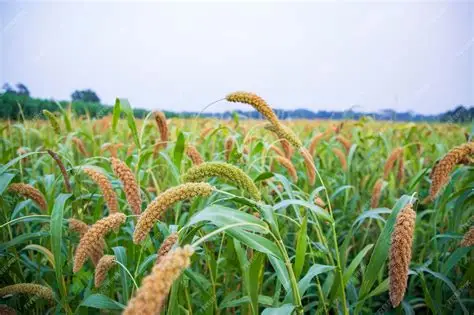
Zambia Agricultural Research Institute (ZARI) Director, Kapulu Ndashe, said crops such as sorghum, cowpeas, pigeon peas, finger millet, and pearl millet offer immense promise due to their adaptability, nutritional value, and economic potential.

Despite this, he noted, these crops remain largely underexploited.

“These crops are more than just food, they are key to the future of our agriculture, our farmers, and our nation’s resilience to climate change,” Dr Kapulu said.

He attributed their low uptake to limited market access, low consumer awareness, and inadequate research.

Dr Kapulu highlighted government efforts to support the sector through policies such as the Crop Diversification Strategy and the Comprehensive Agriculture Transformation Support Programme (CASTP).

However, he stressed that implementing these policies remains critical.

“Let us work together to create an enabling environment that supports the growth and development of these crops. Ensuring farmers have access to seeds, markets, and essential services will be critical,” he said.

Dr Kapulu added that with the right investments, Zambia could become a regional leader in the production and utilisation of these resilient crops.

Earlier, International Maize and Wheat Improvement Center (CIMMYT) Cropping Systems Agronomist, Tijjani Kamaluddin, said the importance of dryland crops continues to grow as climate-related shocks intensify.

Dr Kamaluddin underscored the need for collaborative and science-driven approaches to support farmers in dryland areas.

“Farmers in these regions need inclusive solutions that help them not only survive but thrive,” he said, calling for more innovation and partnerships to strengthen sustainable farming systems.

Meanwhile, Professor Kayula urged stakeholders to build stronger partnerships, strengthen policy support, and enhance market linkages for underutilised crops, describing them as key to addressing Zambia’s food and nutrition security challenges.

He cited global food insecurity statistics, noting that in 2022 more than 368 million people worldwide experienced food insecurity, while six million Zambians were affected between late 2024 and early 2025 due to an El Niño-induced drought.

Professor Kayula emphasised the need to recognise food security through its four pillars availability, access, utilisation, and stability saying all must be addressed to make underutilised crops viable.

“If these crops do not reach consumers, producers will stop growing them because they need to recover their investment. A farmer will always produce what has a market,” he said.

He urged stakeholders to strengthen value chains by connecting seed suppliers, growers, processors, distributors, and financiers, stressing that responsive national policies remain crucial.

“Policies have played a major role in improving crops like rice and cassava in Zambia. Researchers must continue developing varieties that respond better to climate change and have higher yields,” he said.

Professor Kayula expressed concern that many farmers still grow sorghum, millet, cowpeas, and pigeon peas without knowing where to sell them, while processors struggle to find reliable suppliers.

“To develop viable value chains, every player must get value for money. Let’s connect, share ideas, and popularise these crops. Together, we can build markets that work for everyone,” he said. - NAIS

Leave a Reply

Your email address will not be published. Required fields are marked *

vyoletclothing

If you’re looking for everyday elegance that’s rooted in artisanal traditions, Vyolet dress collections are worth discovering. Known for their use of breathable cotton and hand-printed techniques, Vyolet emphasizes both comfort and style. https://vyoletclothing.com/collections/bestsellers

Jared Morse

Hello, "Recipe" seems potentially incorrect. You might quickly verify using spellalerts.com. Thanks, Jared